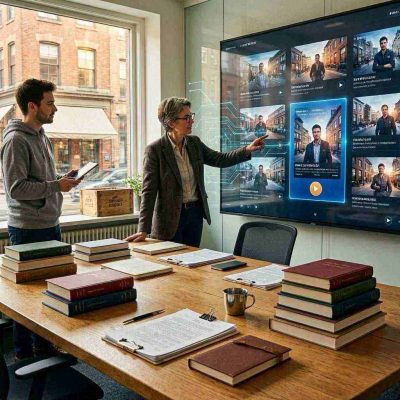
 Books and movies have always shared a close relationship. Many successful films begin as novels, biographies, or short stories. At the same time, popular movies often inspire new books that explore characters, behind-the-scenes stories, or expanded storylines. Today, this connection has become even stronger as digital movie platforms look for new ways to engage audiences.
Book publishing can support Cima Now movie platform by introducing fresh stories, attracting loyal readers, and creating long-term interest in film adaptations. Publishers and streaming services now work together to bring written stories to life while giving authors new opportunities to reach larger audiences.
As entertainment continues to evolve, the partnership between book publishing and movie platforms creates benefits for readers, viewers, authors, filmmakers, and the creative industry as a whole.
From Printed Pages to Streaming Screens
Many of the world’s most successful films and television series started as books. Publishers introduce original stories that filmmakers later adapt into visual productions. This process allows a movie platform to offer content with an existing audience.
Readers often become excited when a favorite novel is adapted into a movie or series. They already know the characters and storyline, making them more likely to watch the adaptation. This built-in interest helps movie platforms attract viewers from the moment a new title is announced.
Book publishing also encourages a wider variety of stories. Instead of relying only on original screenplays, movie platforms can explore mysteries, historical fiction, romance, science fiction, fantasy, biographies, and children’s literature.
Independent authors also benefit from this partnership. Digital publishing has made it easier for talented writers to share their work with readers. When a book becomes popular, production companies may recognize its potential for adaptation.
Publishers frequently work with literary agents, editors, and production studios to identify books that could succeed on screen. This collaboration helps both industries discover high-quality stories.
Movie adaptations can also increase book sales. After watching a film, many viewers decide to read the original novel to experience additional details or compare the two versions.
This cycle creates ongoing interest in both books and movies while supporting authors and filmmakers alike.
How Digital Movie Platforms Create New Opportunities
Streaming services have changed the entertainment industry by making movies and television series available anytime and almost anywhere. This flexibility has also created new opportunities for book publishers.
Movie platforms can feature adaptations that may not have received theatrical releases in the past. Limited series, documentaries, and independent films based on books now have better opportunities to reach global audiences.
Many streaming services also recommend books alongside movie releases through partnerships with publishers or bookstores. These recommendations encourage viewers to continue exploring the story after finishing a film.
Digital platforms collect viewing data that helps production companies understand audience preferences. If viewers respond positively to certain genres, publishers may focus on acquiring similar manuscripts that could become future adaptations.
Some movie platforms even produce original content based on newly published books before competing studios have the chance to secure adaptation rights.
Authors gain worldwide exposure because streaming platforms reach audiences in many countries. Subtitles and dubbed versions make these adaptations accessible to viewers who speak different languages.
Educational content also benefits from this partnership. Books covering history, science, business, or personal development can become documentaries or educational programs that expand learning opportunities.
Families enjoy adaptations of children’s books that introduce young audiences to reading through engaging visual storytelling.
This collaboration between publishers and movie platforms creates a continuous flow of creative content that appeals to readers and viewers of all ages.
Building the Future of Storytelling Together
The relationship between book publishing and movie platforms continues to grow as technology advances. Artificial intelligence, digital editing tools, and improved visual effects allow filmmakers to adapt increasingly complex stories while maintaining their original themes.
Publishers benefit because successful adaptations introduce books to entirely new audiences. Many people discover authors for the first time after watching a movie or television series based on their work.
Movie platforms strengthen their content libraries by offering stories with proven popularity. This reduces some of the uncertainty involved in developing completely original productions while still allowing creative interpretation.
Readers also enjoy comparing books and their adaptations. Discussions about differences in characters, endings, and storytelling create active online communities that continue promoting both versions.
Educational institutions often use both books and films in classrooms. Students compare written narratives with visual adaptations while developing critical thinking and communication skills.
International publishing has expanded opportunities even further. Books written in one language can now be translated, published globally, and adapted into films for worldwide audiences.
Independent filmmakers also benefit from access to a growing selection of published works. Smaller production companies can discover unique stories that larger studios may have overlooked.
As the entertainment industry becomes increasingly digital, cooperation between publishers and movie platforms will continue creating fresh opportunities for creativity and innovation.
Strong partnerships encourage investment in new authors, support diverse storytelling, and preserve the value of written literature while embracing modern technology.
Book publishing remains an essential source of ideas for the film industry, while movie platforms introduce these stories to millions of viewers around the world. Together, they create an ecosystem where creativity can thrive across multiple formats.
By combining the strengths of literature and digital entertainment, publishers and movie platforms help ensure that compelling stories continue reaching audiences for generations to come.